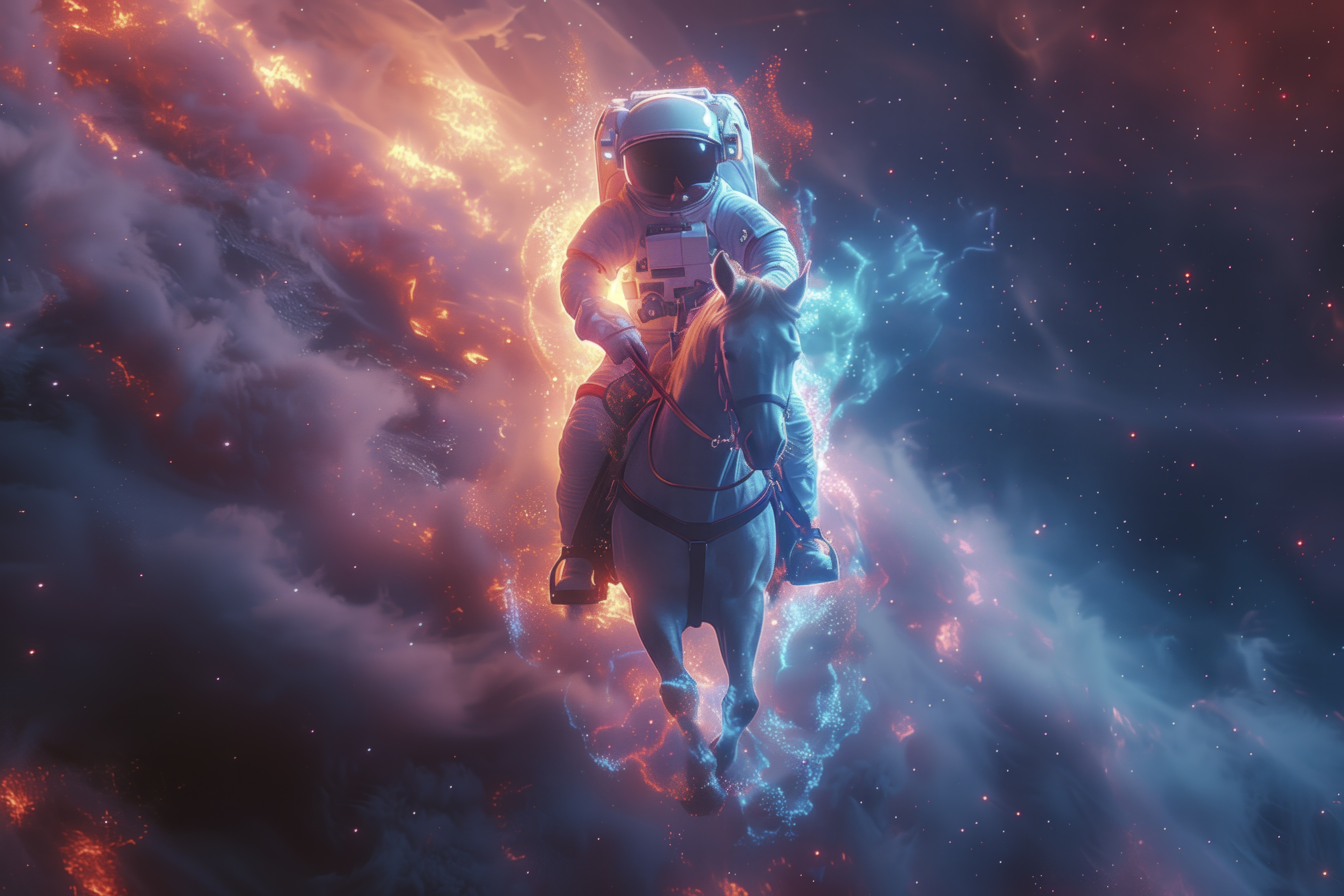
Elon Musk's "xAI" embedding into “SpaceXAI” is not a failure but a radical new horse in the AI race. This is bigger than a rebrand as it represents a shift from AI as a software company… to AI as infrastructure, energy, compute, satellites, robotics, and much more.
Phase one of the AI race was about:
• Models
• Chatbots
• APIs
• Consumer adoption
The next more innovative phase is about:
• Compute dominance
• Energy access
• Data pipelines
• Vertical integration
• Physical-world deployment
OpenAI has Microsoft, Anthropic has Amazon and Google has its own stack. Now Musk is positioning SpaceXAI as something entirely different. It is an AI company with rockets, satellites, telecom infrastructure, robotics, manufacturing, and the granddaddy of them all...orbital compute capacity.
That is the preverbal MIC DROP.
We are watching AI move beyond “who has the smartest model” into “who controls the infrastructure layer of intelligence.”
The companies that win the next decade may not be pure AI startups at all.
They may be vertically integrated ecosystems capable of controlling:
• chips
• energy
• networks
• distribution
• autonomous systems
• real-world deployment at planetary scale
Additionally, the era of the standalone AI company may already be ending. Frontier AI is becoming too capital-intensive, too energy-intensive, and too infrastructure-heavy to survive without massive strategic consolidation.
The AI race is no longer just a technology race. It’s an infrastructure race. A geopolitical race, an energy race, and ultimatly the next space race.
More Insights
Related Articles

Cybersecurity
Anthropic Mythos & Cybersecurity
Anthropic's Mythos: When the Benchmarks Stop Being the Story Twelve months ago, no AI model could c...
Read More →
Leadership
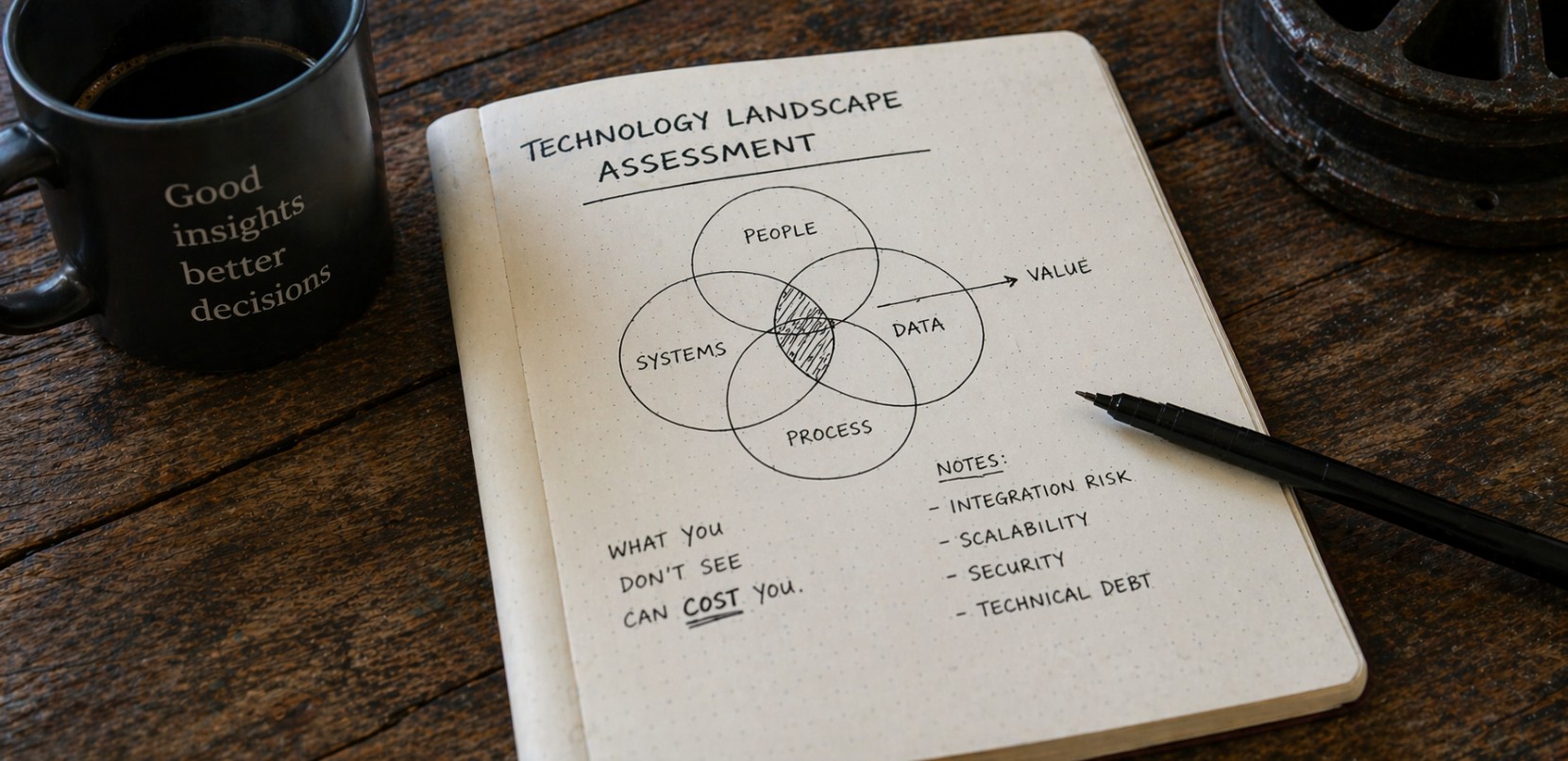
Private Equity - Technology Landscape Assessments
Private equity firms spend enormous time validating financials, legal exposure, and operational perf...
Read More →
Insights
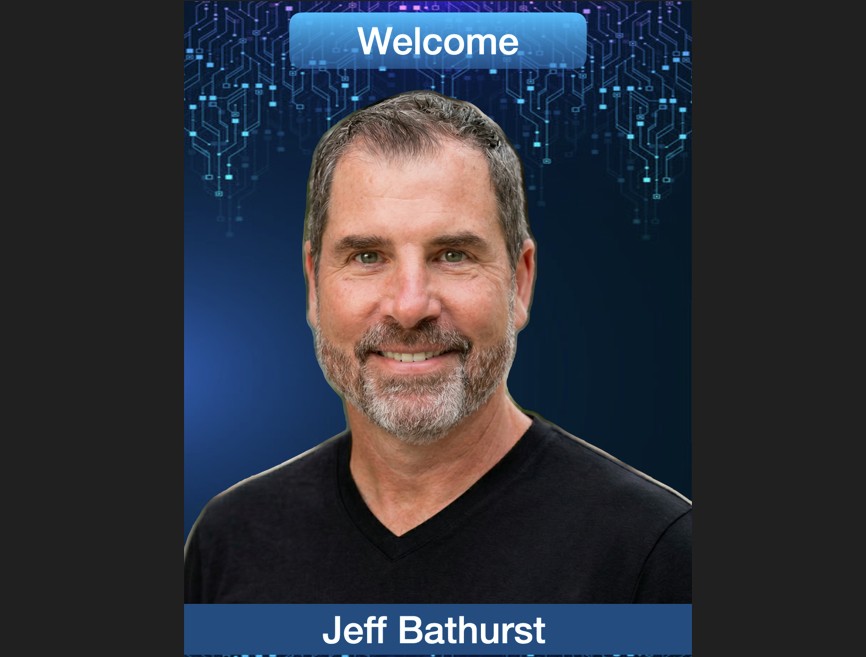
Welcome Jeff Bathurst
We’re excited to welcome Jeff Bathurst to NOV8TIV as a Senior Advisor. Jeff brings nearly 40 years...
Read More →